
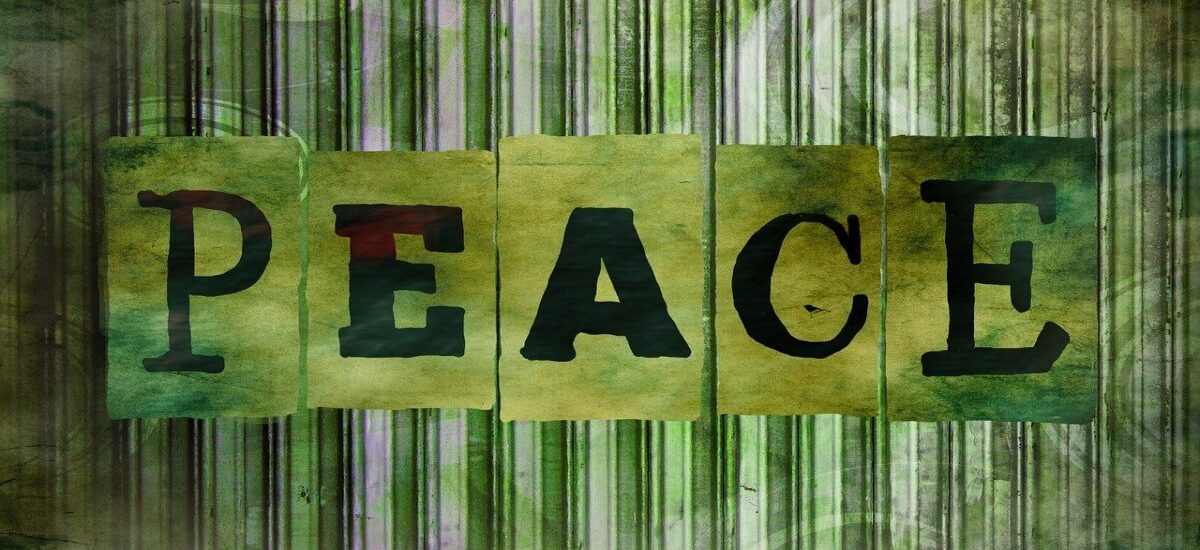
Peace is like a settled ocean; it has depth, clarity, and strength. What peace means to the world is stability—economically, socially, and globally among nations. Ukraine and Russia, two nations with a common culture, language, and history, have been brought to strife and grief by external forces. In the heart of Africa, the nations of Ethiopia, Sudan, and the Democratic Republic of Congo are engulfed in brutal conflicts that have devastated millions of lives. Innocent civilians are caught in the crossfire, with families torn apart, homes destroyed, and communities left in ruins. The violence in Ethiopia between the central government and regional forces, the catastrophic clash in Sudan, and the persistent strife in the DRC have all led to unimaginable suffering and displacement. Palestine and Israel, with a shared culture, history, and neighboring geography, have been embroiled in a painful 75-year conflict affecting the vulnerable and weak. The destruction is like an Armageddon.
When you look at the issues, you see the pain it has inflicted, but through all the chaos, I see heartwarming moments. I see a mother give birth to triplets, having to leave her past without healing her wounds. The mother in Israel who raised her child, and they were able to communicate through Zoom. It is as if the people who push for this war and destruction do not care for the lives of those hurt. The relentless pain that these people go through—innocent women, men, and children who have lost their lives, homes, and livelihoods.
Why speak politics when we can speak humanity and empathy? Therefore, we all have a responsibility. It does not matter your religion or creed—Muslim, Jewish, Hindu, or Christian—the common ground is to teach and live in peace, equality, humanity, and inclusion. We beg all our leaders of the world to say no to war and destruction. Each one of you came from a mother, and think of your mother as you make decisions that cause other children to lose their mothers and mothers to lose their children. North, West, East, Central, and South of the world, human beings existed before religion or politics, so let us nurture humanity before we put arbitrary differences between us. Starvation, destruction of homes, and loss of livelihood must be stopped. We must say no to war and yes to peace.
I would appreciate the work made by the current government for the efforts toward for ending the war. I must say it is one thing to end the war and another to maintain the peace. As global citizens, we must raise our voices against the horrors of war and advocate for peace and reconciliation. The human cost of these conflicts is too great to ignore, and it is our collective responsibility to call for an end to the violence and to support those who are affected. We cannot turn a blind eye to the pain and suffering; instead, we must come together to demand a future where peace prevails and humanity thrives. Let us stand united in our plea for peace and work towards a world where conflict is a thing of the past. After all, civilization is not about having buildings or institutions; civilization is about improving our livelihoods and enhancing the quality of life for all individuals, fostering a sense of community, and ensuring that justice and equity prevail. It’s about nurturing a society where every person can thrive, and where our shared humanity is celebrated and protected.
—
A Paz é como um oceano tranquilo; tem profundidade, clareza e força. O que a paz significa para o mundo é estabilidade—econômica, social e globalmente entre as nações. Ucrânia e Rússia, duas nações com uma cultura, língua e história comuns, foram levadas ao conflito e à dor por forças externas. No coração da África, as nações da Etiópia, Sudão e República Democrática do Congo estão envolvidas em conflitos brutais que devastaram milhões de vidas. Civis inocentes são pegos no fogo cruzado, com famílias despedaçadas, casas destruídas e comunidades em ruínas. A violência na Etiópia entre o governo central e as forças regionais, o confronto catastrófico no Sudão e o conflito persistente na RDC levaram a um sofrimento e deslocamento inimagináveis. Palestina e Israel, com uma cultura, história e geografia vizinha compartilhadas, estão envolvidos em um doloroso conflito de 75 anos que afeta os vulneráveis e fracos. A destruição é como um Armagedom.
Quando você olha para os problemas, vê a dor que eles causaram, mas através de todo o caos, vejo momentos comoventes. Vejo uma mãe dar à luz trigêmeos, tendo que deixar seu passado sem curar suas feridas. A mãe em Israel que criou seu filho, e eles conseguiram se comunicar pelo Zoom. É como se as pessoas que promovem essa guerra e destruição não se importassem com as vidas dos feridos. A dor implacável que essas pessoas passam—mulheres, homens e crianças inocentes que perderam suas vidas, casas e meios de subsistência.
Por que falar de política quando podemos falar de humanidade e empatia? Portanto, todos temos uma responsabilidade. Não importa sua religião ou credo—muçulmano, judeu, hindu ou cristão—o ponto comum é ensinar e viver em paz, igualdade, humanidade e inclusão. Imploramos a todos os nossos líderes mundiais que digam não à guerra e à destruição. Cada um de vocês veio de uma mãe, e pensem em sua mãe ao tomar decisões que fazem outras crianças perderem suas mães e mães perderem seus filhos. Norte, Oeste, Leste, Centro e Sul do mundo, os seres humanos existiam antes da religião ou da política, então vamos nutrir a humanidade antes de colocarmos diferenças arbitrárias entre nós. A fome, a destruição de casas e a perda de meios de subsistência devem ser interrompidas. Devemos dizer não à guerra e sim à paz.
Eu agradeceria o trabalho realizado pelo governo atual pelos esforços para acabar com a guerra. Devo dizer que é uma coisa acabar com a guerra e outra manter a paz. Como cidadãos globais, devemos levantar nossas vozes contra os horrores da guerra e defender a paz e a reconciliação. O custo humano desses conflitos é grande demais para ser ignorado, e é nossa responsabilidade coletiva pedir o fim da violência e apoiar aqueles que são afetados. Não podemos fechar os olhos para a dor e o sofrimento; em vez disso, devemos nos unir para exigir um futuro onde a paz prevaleça e a humanidade prospere. Vamos nos unir em nosso apelo pela paz e trabalhar por um mundo onde o conflito seja coisa do passado. Afinal, a civilização não se trata de ter edifícios ou instituições; a civilização é sobre melhorar nossos meios de subsistência e melhorar a qualidade de vida de todos os indivíduos, promovendo um senso de comunidade e garantindo que a justiça e a equidade prevaleçam. Trata-se de nutrir uma sociedade onde cada pessoa possa prosperar e onde nossa humanidade compartilhada seja celebrada e protegida.