
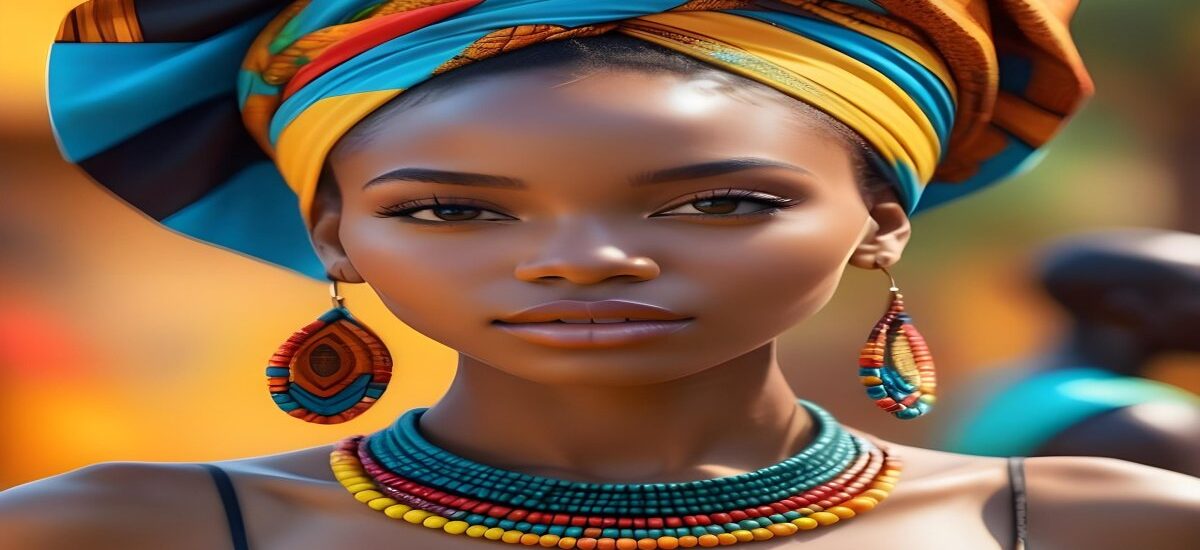
In the vast tapestry of human history, the African woman emerges as an indomitable pillar. But who exactly is she? She is the feeder, the vendor, the nurturer, the breadwinner, the counselor, the doctor, the CEO, the advisor, the president. She embodies the quintessential qualities of a mother. An African woman consistently goes above and beyond to make things happen. She will lay down her life for everything she holds dear. Her heart, golden and resilient, serves as a cushion, offering warmth and comfort to others, even when she herself endures hurt and neglect. She is the backbone of our economy.
An early riser and a late retiree, she is tireless and uncomplaining. Before anyone else awakens, the African woman will be up, preparing for the day ahead. She gives to others unconditionally, even when she herself is in need. Others always come first; she is never selfish. Her dignity remains paramount.
We owe everything to the African woman, and by extension, to all African-American women. Provide her the opportunity to start anything: a farm, a business, a profession, and she will thrive. Grant her leadership and transformation will ensue. Offer her knowledge and progress will follow. Empower her and you will enjoy stability. She becomes the antidote to instability, a beacon of humanity and strength for the world.
Yet, why doesn’t the world recognize her potential? Why is she still relegated to the background on many platforms? Why is she treated as a second-class citizen?
In numerous African cultures, gender discrimination remains a deeply entrenched issue, an injustice, a broken system perpetuated by the legacy of colonialism. Before the colonial era, women held significant power and status. The Queen of Sheba of Abyssinia, for instance, and other women were leaders, warriors, and chiefs. In pre-colonial Africa, women were queens, chiefs, warriors, priestesses, traders, cultivators, oracles, wives, and mothers. They occupied key roles in the development of African societies, shaping the course of African history. If we can mention a few African women who have made a change
– Taytu Betul – Queen and Empress (Ethiopia): Praised for her role as a shrewd political leader who was instrumental in ousting Italian imperialists.
– Women soldiers of Dahomey (Benin): The admired but feared warriors of Dahomey Kingdom respected for being brave and never fleeing from danger.
- – Gisèle Rabesahala – Malagasy politician (Madagascar): The first Malagasy woman to be elected as municipal councilor, political party leader, and minister. She is lauded for dedicating her life to Madagascar’s independence and advocating for human rights.
- – Miriam Makeba – Musician and anti-Apartheid activist (South Africa): She openly opposed the South African Apartheid regime and lost her citizenship because of her work as an activist. Mama Africa introduced the world to South African music and its political struggles.
- – Wangari Maathai – Environmental Activist (Kenya): A champion for human rights, she founded the Green Belt Movement which advocates for people to plant trees to fight environmental degradation.
- – Yaa Asantewaa – Queen mother of the Ejisu tribe (Ghana): She was a successful farmer and mother, an intellectual, a politician, a human rights activist, and a leader. Yaa Asantewaa became famous for leading the Ashanti rebellion against British colonialism to defend the Golden Stool.
- Nzinga Mbandi – Queen of Ndongo and Matamba (Angola): She is described as a deft diplomat, skillful negotiator, and formidable tactician according to UNESCO. She resisted Portuguese rule and colonization until her death in 1663.
- It is time for African people to stand in solidarity to celebrate and inspire the precious African woman, including African-American women, Latin American women, European, and Asian women alike.
Our mindset must be transformed to support every woman for a brighter future. Because women create humanity from our very own wombs, it is not possible to create economies and prosperous generations without them. If all women of the world were given an opportunity, the world would be a more balanced place.
Civilization is not defined by material things, buildings, technology, or trading but by the dignity we afford to humankind. It is time for Mother Africa, the mother of the world, to have one voice and call, “Africa!”
During wars across the globe, women suffer the most: rape, degradation, torture. Most of these wars are opportunity wars, not about conquering boundaries, created by the greed of a few, spanning Europe, Africa, Asia, and the Americas.
All men, our sons, fathers, grandfathers, all men of the world, kindness is profoundness, a core objective of your life. If you are kind to the mother, you are kind to Mother Earth. When you are kind to women, you are kind to the environment. This is not a feminist issue but rather, a mother asking the world to be kind and truthful. With the corona pandemic, we have seen how insignificant we all are, and hopefully, this will be a time for everyone to slow down and recognize that we are all equal regardless of our status.
Instead of exploiting Africa for its wealth, let’s invest in its development. Instead of ravaging the Middle East for oil, let’s nurture its growth. Instead of plundering Latin America, let’s foster its progress. Let’s not destroy the world; together, let’s build it into something better.
All the greatest empires that have conquered the world are gone. The cry of the woman echoes to all corners: STOP. She is weeping for the universe; let us stand together. Political leaders of the West, Middle East, tycoons, and industrialists, invest in the mother by celebrating how God created the formation of humanity, through our mothers.
For how far we have come and who we are, by means and by virtue, we owe it all to the African woman. We celebrate you for who you are.
—
No vasto tapete da história humana, a mulher africana emerge como um pilar indomável. Mas quem exatamente é ela? Ela é a alimentadora, a vendedora, a cuidadora, a chefe de família, a conselheira, a médica, a CEO, a conselheira, a presidente. Ela personifica as qualidades essenciais de uma mãe. Uma mulher africana consistentemente vai além para fazer as coisas acontecerem. Ela dará sua vida por tudo o que ela valoriza. Seu coração, dourado e resiliente, serve como uma almofada, oferecendo calor e conforto aos outros, mesmo quando ela própria sofre dor e negligência. Ela é a espinha dorsal da nossa economia.
Uma madrugadora e uma que se aposenta tarde, ela é incansável e nunca reclama. Antes de qualquer outra pessoa despertar, a mulher africana estará de pé, preparando-se para o dia que se inicia. Ela dá aos outros incondicionalmente, mesmo quando ela própria está em necessidade. Os outros sempre vêm em primeiro lugar; ela nunca é egoísta. Sua dignidade permanece primordial.
Devemos tudo à mulher africana e, por extensão, a todas as mulheres afro-americanas. Ofereça-lhe a oportunidade de começar qualquer coisa: uma fazenda, um negócio, uma profissão, e ela prosperará. Conceda-lhe liderança e a transformação acontecerá. Ofereça-lhe conhecimento e o progresso seguirá. Empodere-a e você desfrutará de estabilidade. Ela se torna o antídoto para a instabilidade, um farol de humanidade e força para o mundo.
Ainda assim, por que o mundo não reconhece seu potencial? Por que ela ainda é relegada ao segundo plano em muitas plataformas? Por que é tratada como uma cidadã de segunda classe?
Em inúmeras culturas africanas, a discriminação de gênero permanece uma questão profundamente enraizada, uma injustiça, um sistema quebrado perpetuado pelo legado do colonialismo. Antes da era colonial, as mulheres detinham poder e status significativos. A Rainha de Sabá da Abissínia, por exemplo, e outras mulheres eram líderes, guerreiras e chefes. Na África pré-colonial, as mulheres eram rainhas, chefes, guerreiras, sacerdotisas, comerciantes, cultivadoras, oráculos, esposas e mães. Elas ocupavam papéis-chave no desenvolvimento das sociedades africanas, moldando o curso da história africana. Se podemos mencionar algumas mulheres africanas que fizeram a diferença:
- Taytu Betul – Rainha e Imperatriz (Etiópia): Elogiada por seu papel como uma líder política astuta que foi instrumental na expulsão dos imperialistas italianos.
- Mulheres soldados de Daomé (Benim): As admiráveis, mas temidas, guerreiras do Reino de Daomé, respeitadas por serem corajosas e nunca fugirem do perigo.
- Gisèle Rabesahala – Política malgaxe (Madagáscar): A primeira mulher malgaxe a ser eleita como conselheira municipal, líder de partido político e ministra. Ela é aplaudida por dedicar sua vida à independência de Madagascar e por advogar pelos direitos humanos.
- Miriam Makeba – Musicista e ativista anti-apartheid (África do Sul): Ela se opôs abertamente ao regime do apartheid sul-africano e perdeu sua cidadania por causa de seu trabalho como ativista. Mama África apresentou ao mundo a música sul-africana e suas lutas políticas.
- Wangari Maathai – Ativista Ambiental (Quênia): Uma campeã pelos direitos humanos, ela fundou o Movimento Cinturão Verde, que defende que as pessoas plantem árvores para combater a degradação ambiental.
- Yaa Asantewaa – Mãe rainha da tribo Ejisu (Gana): Ela foi uma agricultora bem-sucedida e mãe, uma intelectual, uma política, uma ativista dos direitos humanos e uma líder. Yaa Asantewaa se tornou famosa por liderar a rebelião Ashanti contra o colonialismo britânico para defender o Banquinho de Ouro.
- Nzinga Mbandi – Rainha de Ndongo e Matamba (Angola): Ela é descrita como uma diplomata hábil, negociadora talentosa e tática formidável, de acordo com a UNESCO. Ela resistiu ao domínio e colonização portuguesa até sua morte em 1663.
É hora de os africanos se unirem para celebrar e inspirar a preciosa mulher africana, incluindo mulheres afro-americanas, mulheres latino-americanas, europeias e asiáticas.
Nosso pensamento deve ser transformado para apoiar todas as mulheres para um futuro mais brilhante. Como as mulheres criam a humanidade a partir de nossos próprios ventres, não é possível criar economias e gerações prósperas sem elas. Se todas as mulheres do mundo recebessem uma oportunidade, o mundo seria um lugar mais equilibrado.
A civilização não se define por coisas materiais, edifícios, tecnologia ou comércio, mas pela dignidade que oferecemos à humanidade. É hora de a Mãe África, a mãe do mundo, ter uma voz e clamar: “África!”
Durante as guerras em todo o mundo, as mulheres são as que mais sofrem: estupro, degradação, tortura. A maioria dessas guerras são guerras de oportunidade, não sobre a conquista de fronteiras, criadas pela ganância de poucos, abrangendo a Europa, África, Ásia e as Américas.
Todos os homens, nossos filhos, pais, avôs, todos os homens do mundo, a bondade é profundidade, um objetivo central de suas vidas. Se você é gentil com a mãe, é gentil com a Mãe Terra. Quando você é gentil com as mulheres, é gentil com o meio ambiente. Isso não é uma questão feminista, mas sim uma mãe pedindo ao mundo que seja gentil e verdadeiro. Com a pandemia do corona, vimos quão insignificantes todos somos, e esperançosamente, este será um momento para todos desacelerarem e reconhecerem que somos todos iguais, independentemente do nosso status.
Em vez de explorar a África por sua riqueza, vamos investir em seu desenvolvimento. Em vez de devastar o Oriente Médio por petróleo, vamos nutrir seu crescimento. Em vez de saquear a América Latina, vamos promover seu progresso. Não vamos destruir o mundo; juntos, vamos construí-lo em algo melhor.
Todos os maiores impérios que conquistaram o mundo desapareceram. O grito da mulher ecoa por todos os cantos: PAREM. Ela está chorando pelo universo; vamos nos unir. Líderes políticos do Ocidente, Oriente Médio, magnatas e industriais, invistam na mãe, celebrando como Deus criou a formação da humanidade, através de nossas mães.
Pelo quão longe chegamos e por quem somos, por meio e por virtude, devemos tudo à mulher africana. Celebramos você por quem você é